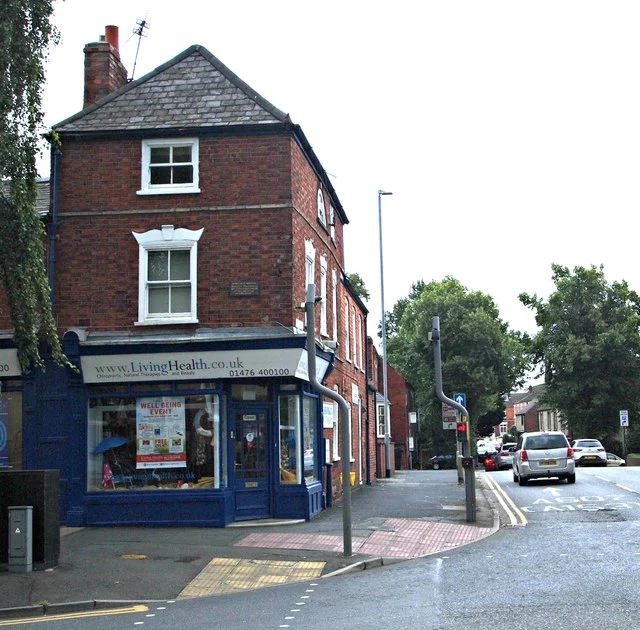
Living above the shop
1925
Born
Born Margaret Hilda Roberts on 13 October in Grantham, Lincolnshire, above her father Alfred Roberts' grocery shop.
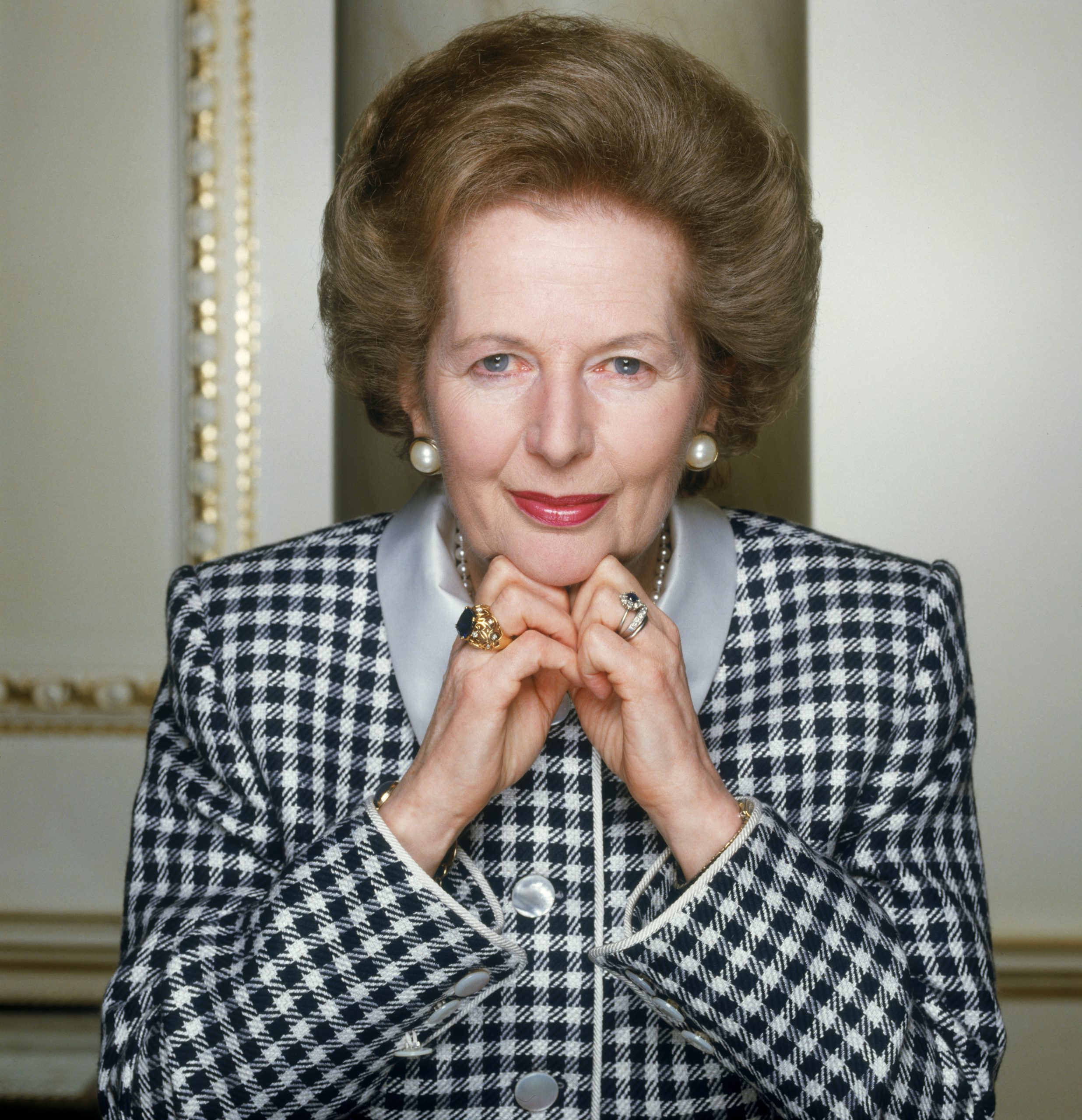
Margaret Thatcher, Prime Minister 1979-1990
Margaret Hilda Thatcher was a politician, scientist, barrister, author, orator, reformer, revolutionary, conviction politician, Cold War warrior, transatlantic ally, Eurosceptic, monetarist, privatiser, union reformer, homeowner champion, tax cutter, patriot, and Iron Lady.
She was the first woman to lead a major Western democracy and Britain's longest-serving Prime Minister of the 20th century. Her economic and social policies—collectively known as Thatcherism—transformed Britain and influenced governments worldwide.
Living above the shop
Born Margaret Hilda Roberts on 13 October in Grantham, Lincolnshire, above her father Alfred Roberts' grocery shop.
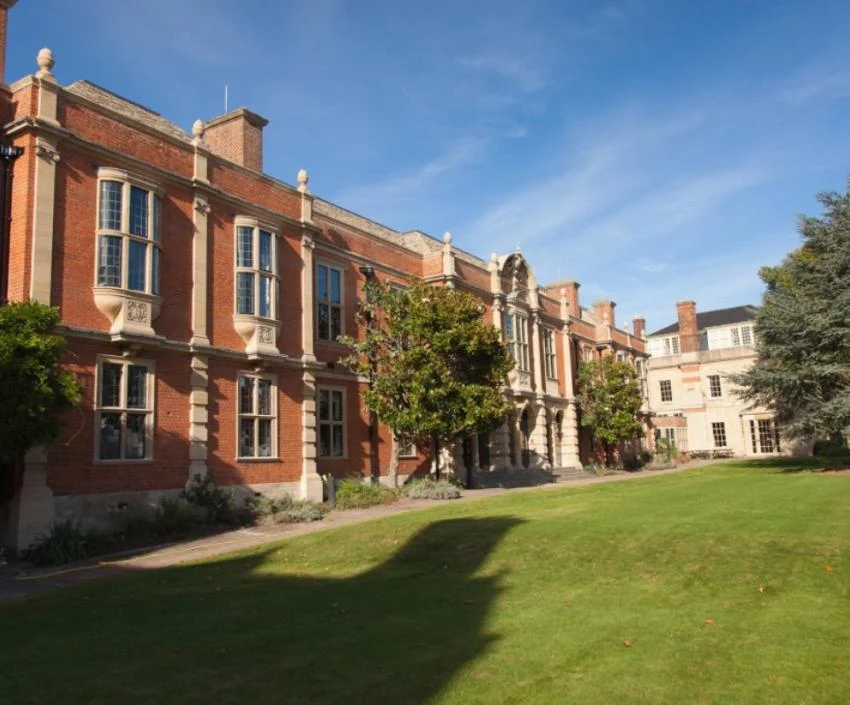
Somerville College, Oxford
Won a scholarship to read Chemistry at Somerville College, Oxford.
After grammar school, Margaret Roberts won a scholarship to study Chemistry at Somerville College, Oxford. In 1946, she became President of the Oxford University Conservative Association, only the third woman to hold the position.
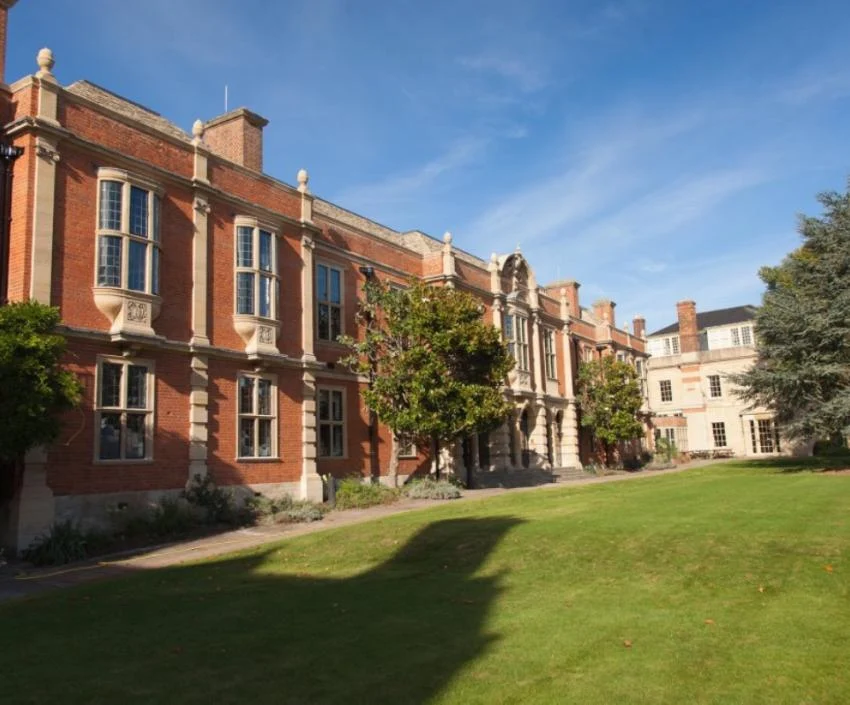
Somerville College, Oxford
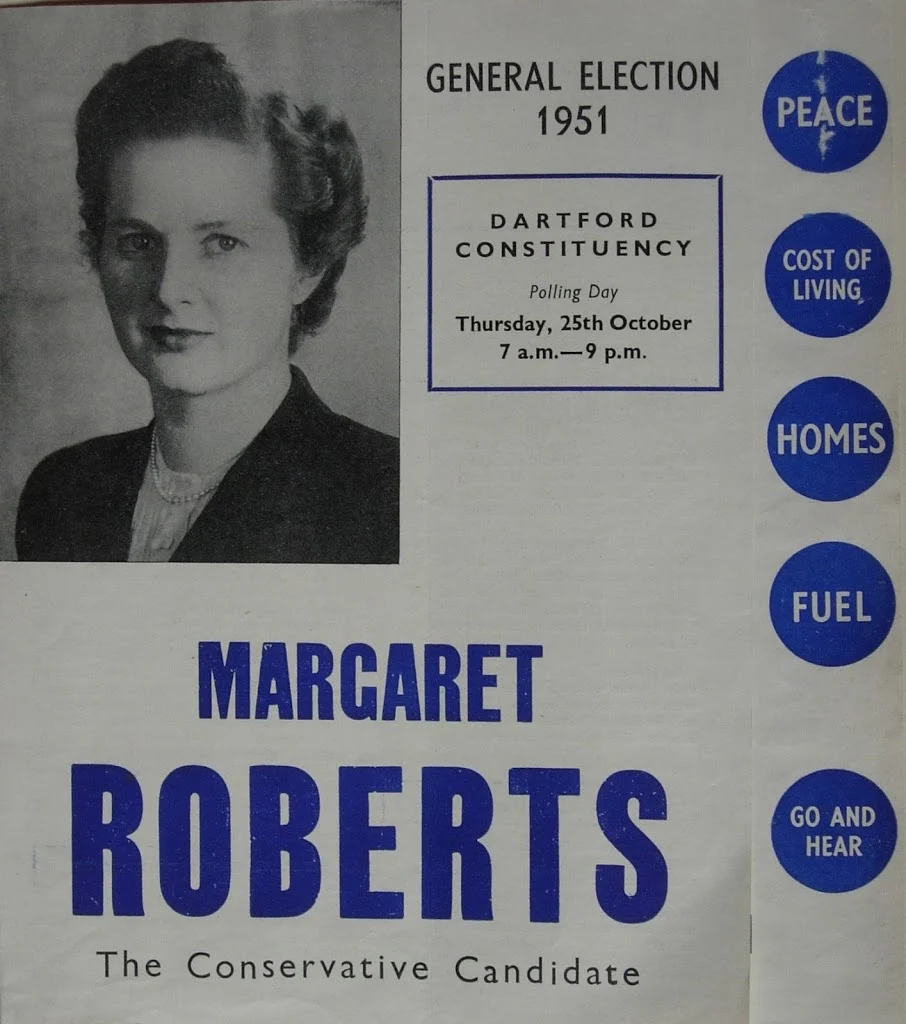
Youngest woman candidate
After graduating in 1947 Margaret Roberts worked for four years as a research chemist. She stood as Conservative candidate for Dartford in the 1950 and 1951 General Elections. Though she did not win, she reduced the Labour majority significantly and gained valuable political experience. During this time she met her 'rock' and 'sheet anchor', Denis Thatcher.
Married Denis Thatcher; the couple later had twins, Carol and Mark.
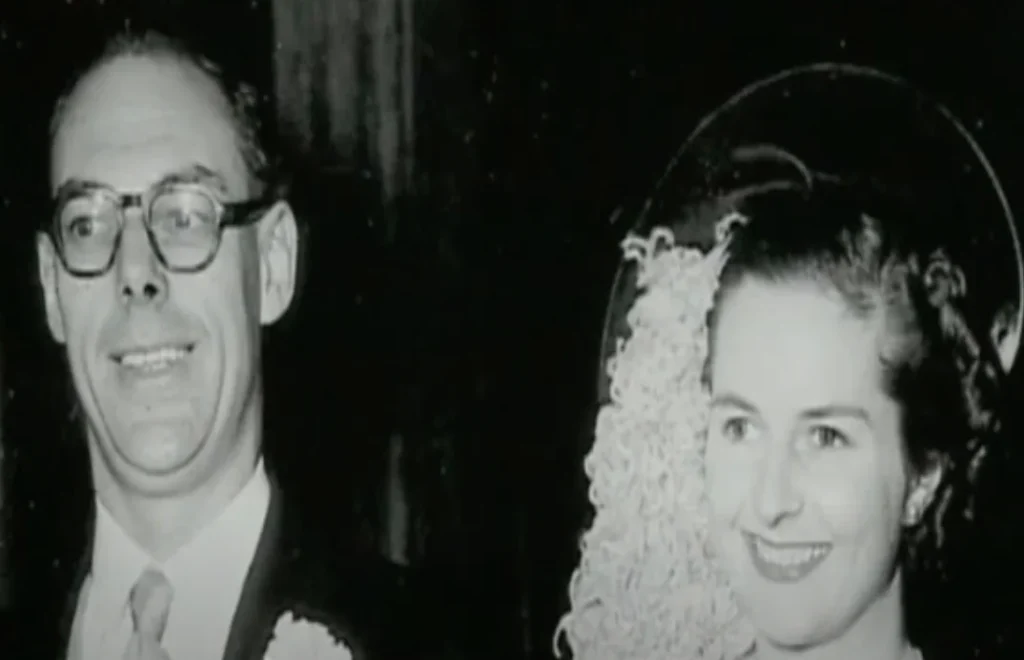
Wedding to Denis Thatcher
Wedding to Denis Thatcher
Miss Margaret Roberts married Mr Denis Thatcher on 13 December 1951. While raising their twins, Carol and Mark (born 1953), she studied for the Bar, qualifying as a barrister specialising in taxation. From 1954 she practiced as a barrister, specializing in tax law.
Elected Member of Parliament for Finchley at the General Election in October.
MP for Finchley
MP for Finchley
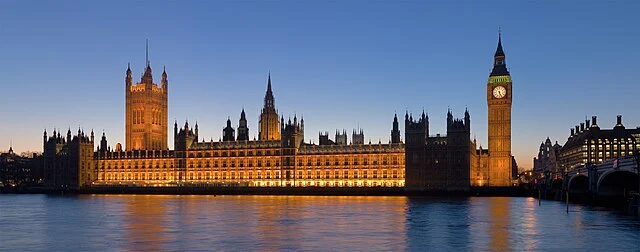
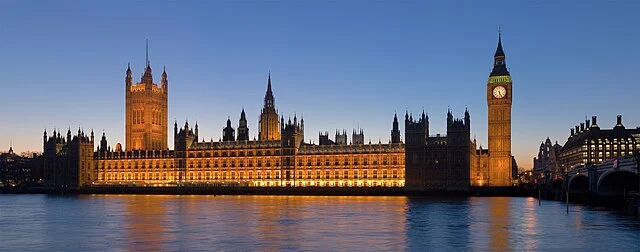
Mrs Thatcher was elected Member of Parliament for Finchley, a seat she would hold for 33 years until 1992. Within two years, she was appointed Parliamentary Under-Secretary at the Ministry of Pensions and National Insurance.
Appointed Secretary of State for Education and Science in the Heath government.

Secretary of State for Education

Secretary of State for Education
When appointed Secretary of State for Education and Science in Edward Heath's government Mrs Thatcher expanded comprehensive education and raised the school leaving age to 16, while defending grammar schools where they remained viable.
Elected Leader of the Conservative Party — the first woman to lead a major British political party.
Elected Conservative Party Leader
Elected Conservative Party Leader
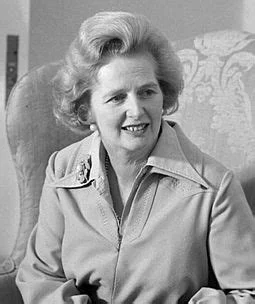
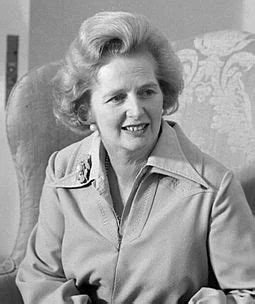
She defeated Edward Heath to become Leader of the Conservative Party and Leader of the Opposition—the first woman to lead a major British political party. The Soviet press soon dubbed her the "Iron Lady" for her staunch anti-communist stance, a title she embraced.
Margaret Thatcher led the Conservatives to victory in the General Election on 3 May and became Britain's first female Prime Minister.
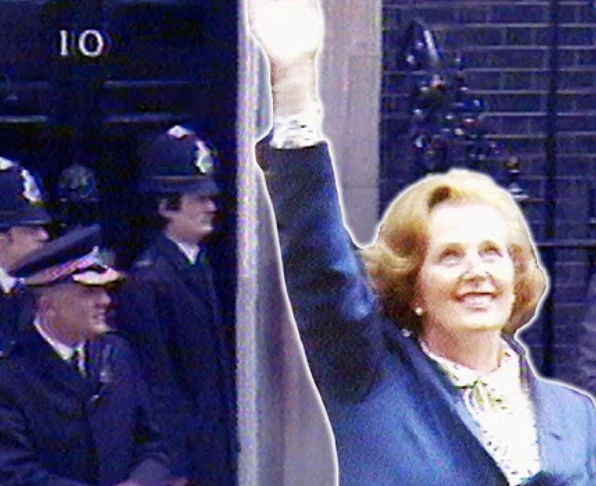
Winning
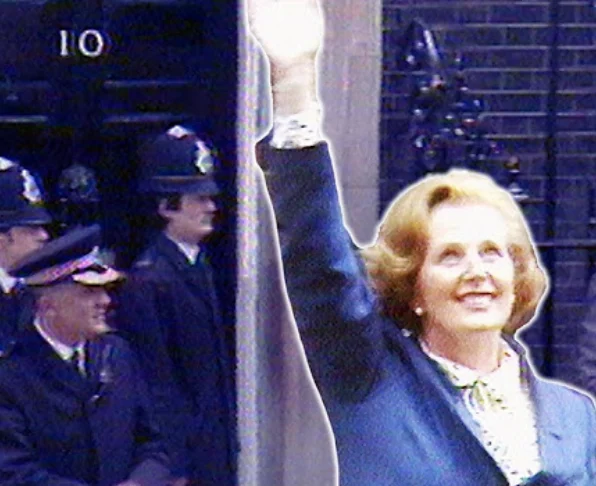
Winning
Success! Margaret Thatcher led the Conservatives to victory in the General Election on 3 May and became Britain's first female Prime Minister. On the steps of Downing Street, she quoted St Francis of Assisi: "Where there is discord, may we bring harmony."
Mrs Thatcher forged a close partnership with US President Ronald Reagan, united as they were by shared beliefs in free markets, strong defence, and opposition to Soviet communism. Together, they helped bring about the end of the Cold War.
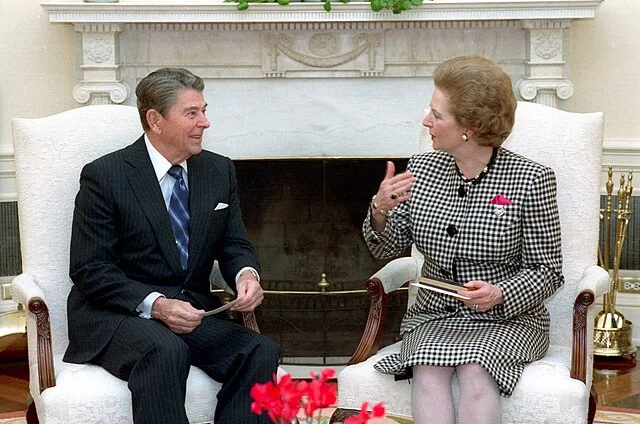
With President Ronald Reagan
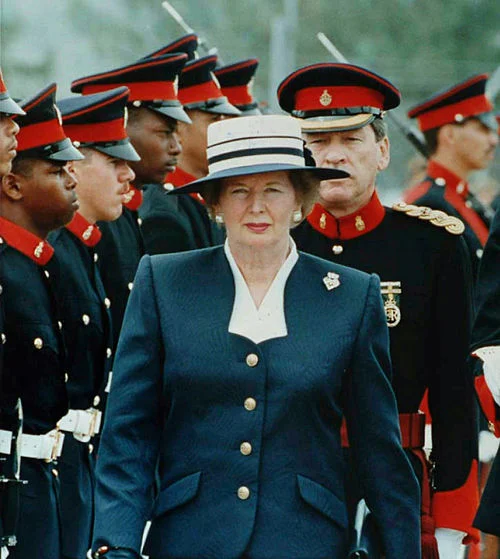
Visiting British troops
Authorised the Task Force that liberated the Falkland Islands following the Argentine invasion.
Following Argentina's invasion of the Falkland Islands, she ordered a naval task force to retake them. The successful campaign restored British pride and demonstrated her resolve. "Defeat? I do not recognise the meaning of the word."
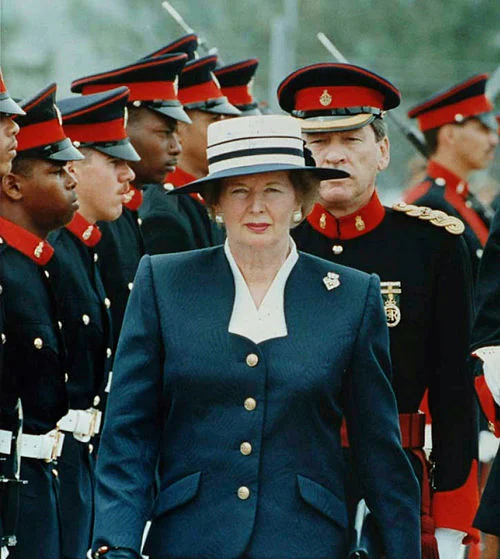
Visiting British troops
Returned to Downing Street with a substantially increased majority at the General Election.
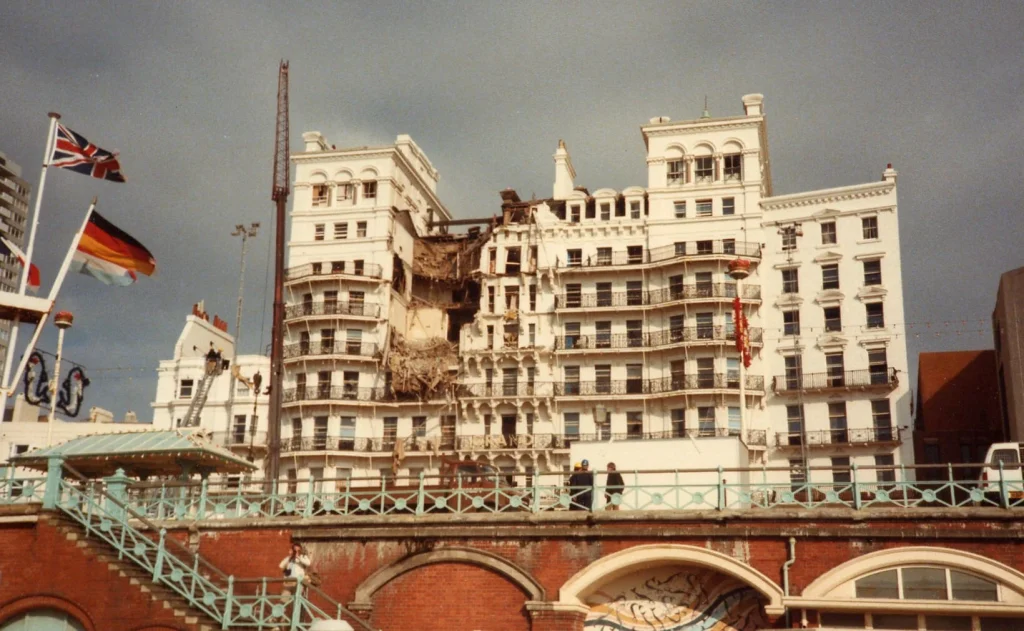
The IRA's attempt on her life. Photo: D4444n at the English Wikipedia
Mrs Thatcher survived the IRA bombing of the Grand Hotel, Brighton during the Conservative Party Conference.
Faced down the year-long miners' strike led by National Union of Miners' leader Arthur Scargill. Her government's victory ended the stranglehold of militant trade unions over British industry and politics, a transformation that even subsequent Labour governments did not reverse.
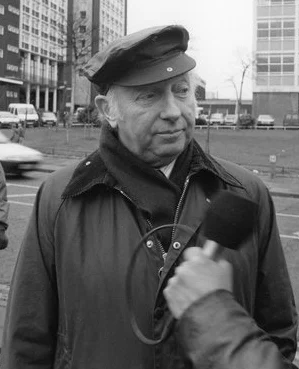
NUM leader Arthur Scargill. Photo: Tyne & Wear Archives & Museums
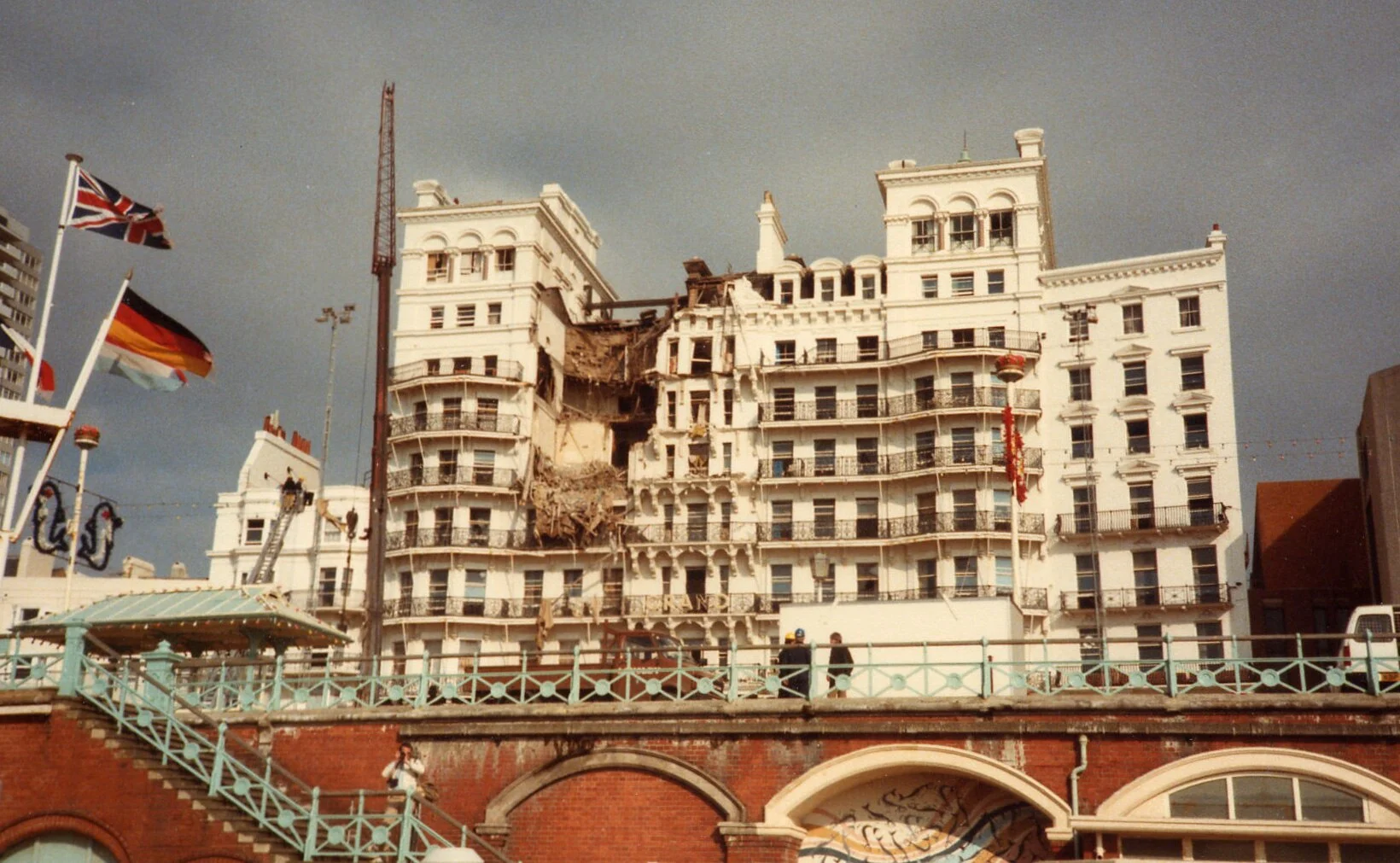
The IRA's attempt on her life. Photo: D4444n at the English Wikipedia
Mrs Thatcher survived the IRA bombing of the Grand Hotel, Brighton during the Conservative Party Conference. Despite the grief of losing close friends she insisted the conference continue, declaring: "This attack has failed. All attempts to destroy democracy by terrorism will fail."
Continued the programme of privatisation and trade-union reform that defined the second term.
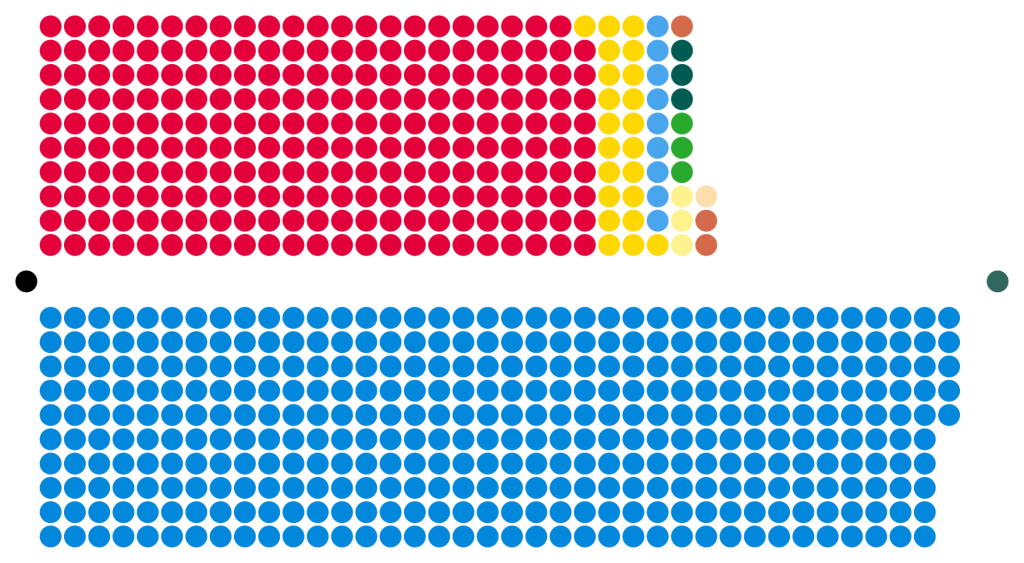
1987 General Election victory
Won a historic third consecutive General Election victory in June.
By winning 375 seats in this General Election, Margaret Thatcher became the first leader since Lord Liverpool in 1826 to achieve an historic third consecutive victory. Her government's privatisation programme, tax cuts and housing reforms had transformed Britain's economy and society.
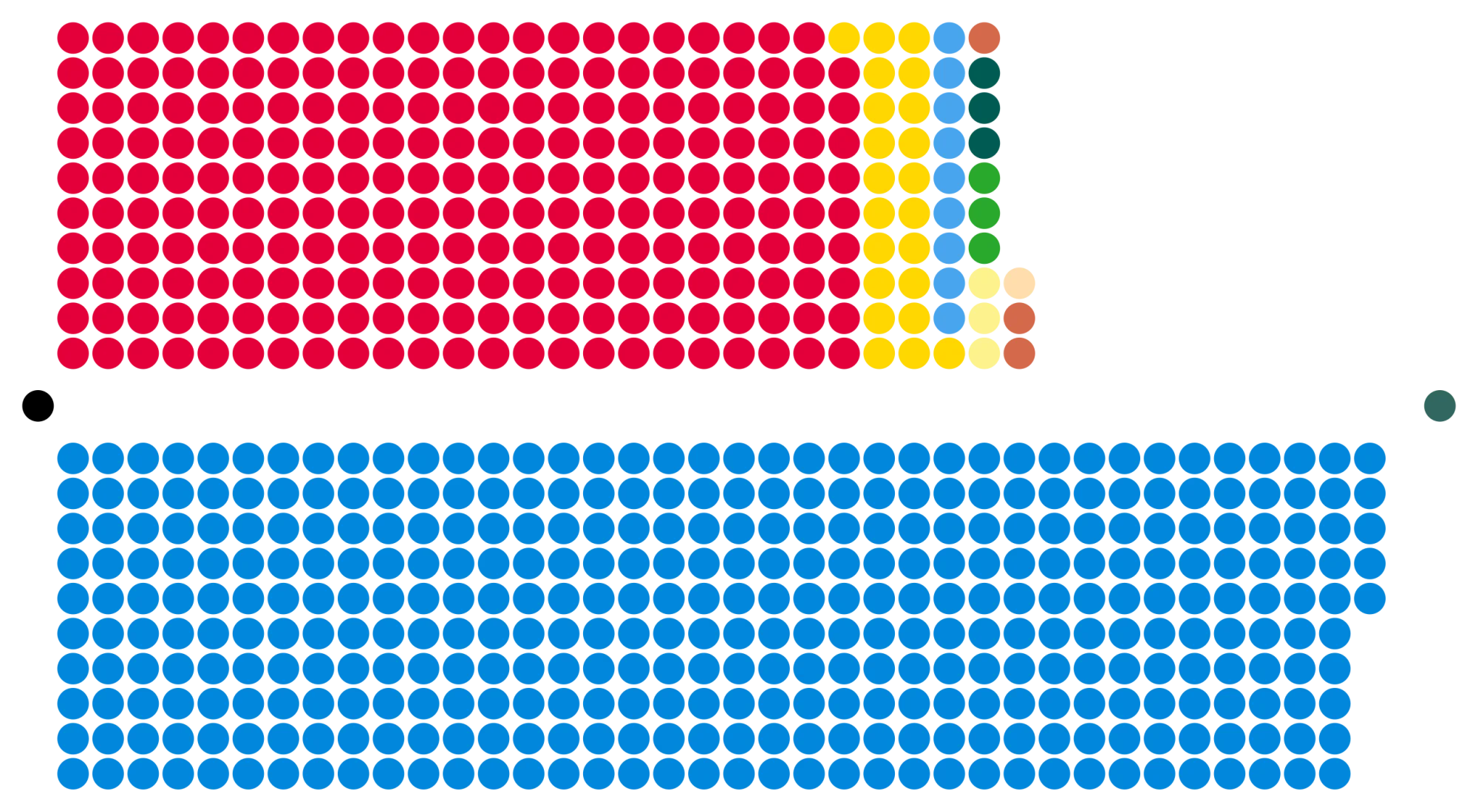
1987 General Election victory
Set out a sceptical vision of European integration in an address at the College of Europe.
Finally, the fall of the Berlin Wall and the collapse of communism across Eastern Europe. This was the culmination of her resolute, decade-long crusade against Soviet expansionism, her efforts with President Reagan and her fierce detestation of Communism, which she worked tirelessly to defeat.
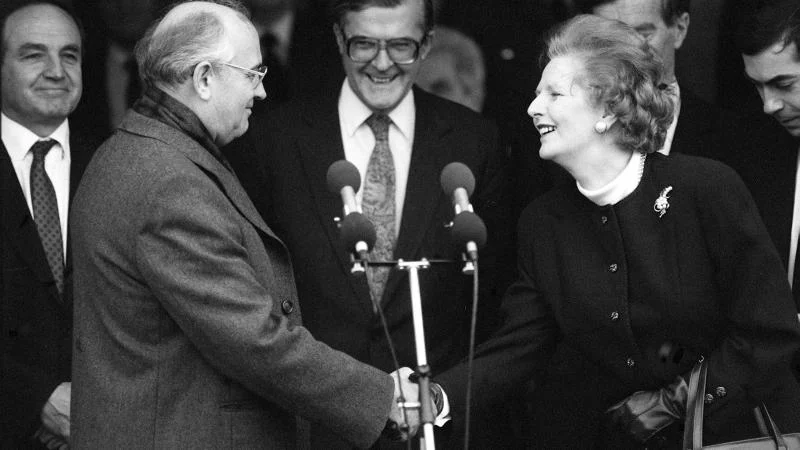
Fall of the Berlin Wall
Leaving Downing Street
Resigned as Prime Minister on 28 November after a Conservative Party leadership challenge.
Margaret Thatcher resigned as Prime Minister on 22 November after a leadership challenge. She left Downing Street declaring: "We're leaving Downing Street for the last time… and we're very happy that we leave the United Kingdom in a very, very much better state than when we came here."
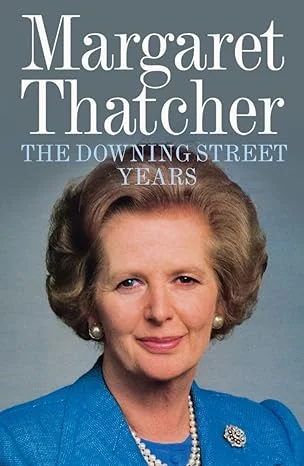
Leaving Downing Street
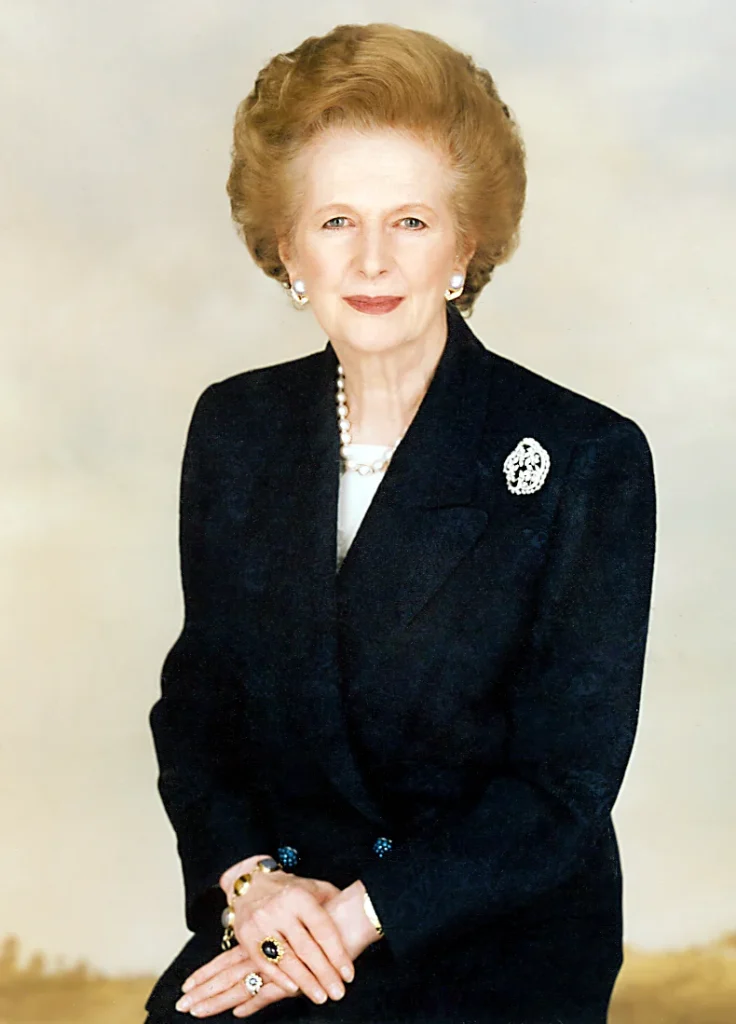
Baroness Thatcher
Elevated to the House of Lords as Baroness Thatcher of Kesteven.
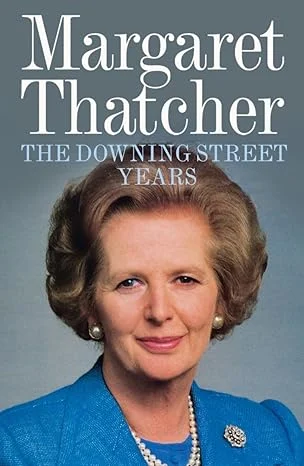
Created Baroness Thatcher of Kesteven, Lady Thatcher entered the House of Lords. She continued to speak on international affairs and published her memoirs, <em>The Downing Street Years</em> (1993) and <em>The Path to Power</em> (1995).
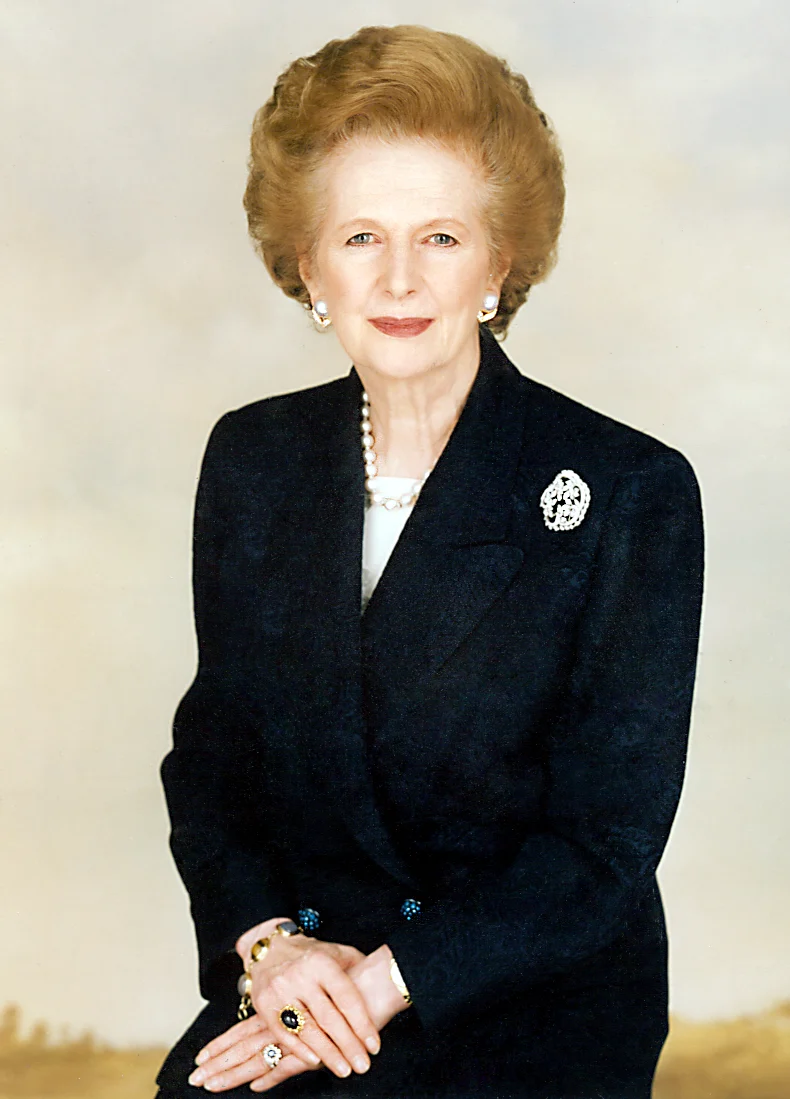
Baroness Thatcher
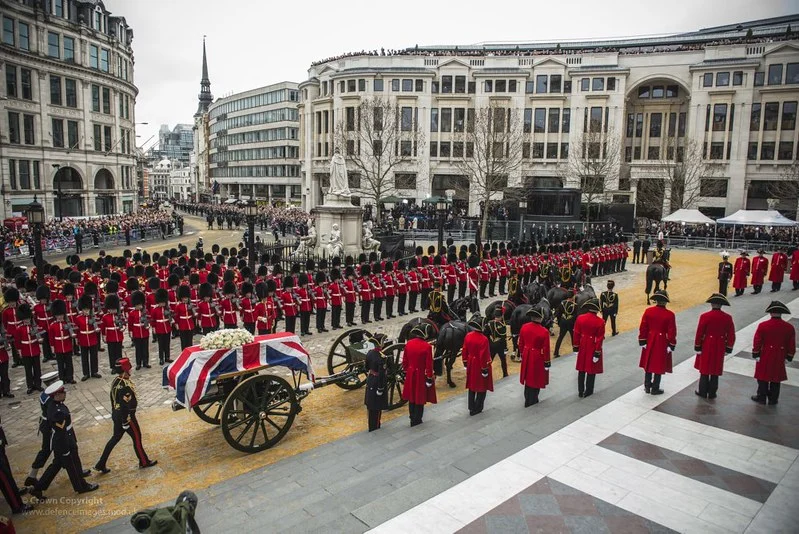
St Paul's Cathedral ceremonial funeral
Died on 8 April in London, aged 87. A ceremonial funeral was held at St Paul's Cathedral.
Lady Thatcher passed away on 8 April following a stroke. She was accorded a ceremonial funeral with full military honours at St Paul's Cathedral, attended by Queen Elizabeth II, only the second time a reigning monarch had attended a Prime Minister's funeral.
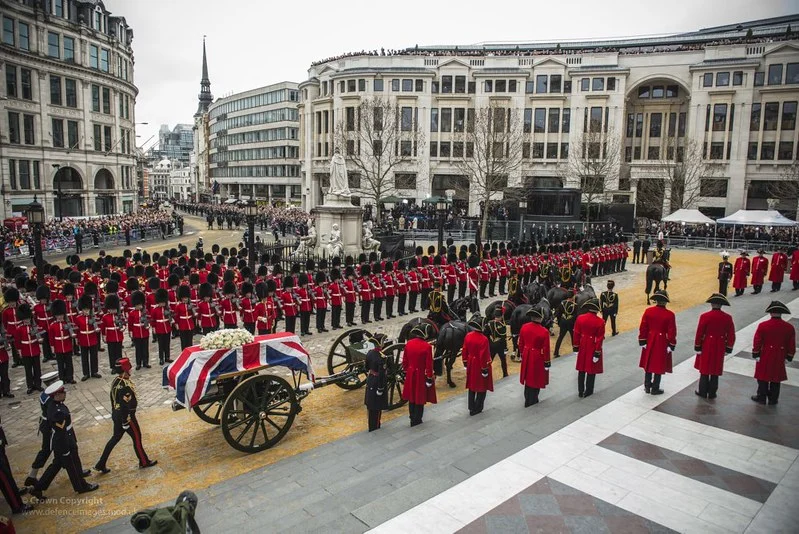
St Paul's Cathedral ceremonial funeral